- Oasis center Princess cars building - 1st Floor - Unit 13-14 Sheikh Zayed Rd - Al Quoz - Al Quoz 1 - Dubai
- info@secureverse.ae
Secureverse Leading Interior Design and Fit-Out Company In UAE

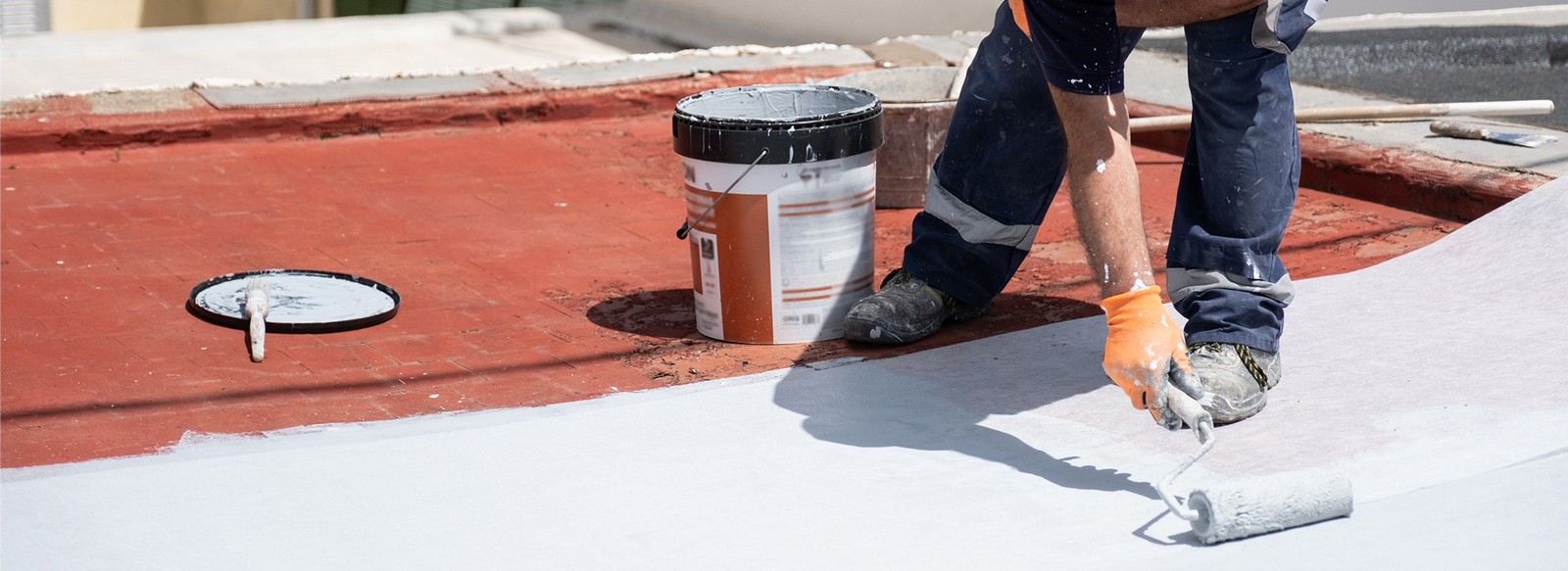
A small roof leak may not seem like a major problem at first. But once water starts getting through cracks, joints or damaged waterproofing layers, the damage can spread to ceilings, walls, insulation and interior finishes. By the time a visible stain appears indoors, the original source of the leak may already be difficult to identify.
This is particularly important in Dubai, where roofs and other exposed surfaces have to deal with intense heat, strong UV exposure, humidity and periods of heavy rainfall. Over time, these conditions can affect roofing materials, joints, drainage points and waterproofing systems.
For villas, apartments, offices, warehouses and commercial buildings, regular roof inspections can help identify problems before they become expensive repairs. Depending on the condition of the existing roof, the appropriate solution may involve localized repairs, waterproofing, reroofing or a combination of these services.
If you are considering Reroofing & Waterproofing in Dubai, understanding the difference between the two, the factors that affect cost and the signs of roof deterioration can help you make a more informed decision.
Reroofing involves restoring or renewing an existing roofing system. The exact scope can vary considerably. A project might involve repairing damaged areas and renewing selected layers, while a severely deteriorated roof may require more extensive removal and replacement.
Reroofing is generally considered when the existing roofing system has reached a point where repeated repairs are no longer a practical long-term solution.
Common signs that a roof may require more extensive work include:
However, a leak does not automatically mean the entire roof needs to be replaced.
Water can travel through roofing layers before appearing inside a property. A visible ceiling stain could be related to a damaged joint, blocked drainage outlet, failed waterproofing layer or another localized defect.
For this reason, the condition of the complete roof should be assessed before deciding whether reroofing is necessary.
Roof waterproofing is designed to reduce or prevent water from penetrating through exposed roof surfaces and into the building below.
It is commonly relevant to flat roofs, concrete roof slabs, terraces, service areas and other surfaces that are exposed to rainfall and moisture.
Depending on the roof construction and existing substrate, waterproofing may involve membrane systems, liquid-applied products, protective coatings or other compatible solutions.
Consider a flat-roof villa in Dubai. After rainfall, water may collect in an area where drainage is inadequate. If the surface already has cracks or deteriorated joints, moisture can gradually find its way into the underlying layers.
Simply applying a waterproofing product over the problem may not solve it.
The surface may first need cleaning, crack treatment, joint repair, drainage correction or other preparation. The waterproofing system can then be applied to a properly prepared substrate.
This distinction is important because waterproofing protects against moisture, but it does not automatically correct every underlying roofing defect.
Reroofing and waterproofing are related, but they address different aspects of roof performance.
| Factor | Reroofing | Waterproofing |
| Main purpose | Restores or renews the roofing system | Helps prevent water penetration |
| Main focus | Roofing surface, layers and materials | Moisture protection |
| Common reason | Aging or deteriorated roof | Leaks or water penetration concerns |
| Typical work | Repairing or replacing roofing layers | Applying membranes, coatings or other systems |
| When considered | When the roof requires broader renewal | When water resistance needs to be improved |
| Can they be combined? | Yes | Yes |
A property may need only waterproofing if the underlying roof remains in good condition. In another case, extensive deterioration may make reroofing necessary, with waterproofing included as part of the new system.
The correct approach should be based on the actual condition of the roof rather than choosing a service simply because it appears cheaper or easier.
Roof deterioration does not always begin with a dramatic leak. Some warning signs are easy to overlook.
If the same area keeps leaking after multiple repairs, the underlying source may not have been properly addressed.
Water can move horizontally through roofing layers, so the location of an indoor stain may not correspond directly to the point where water entered the roof.
Recurring leaks are therefore a good reason to arrange a more detailed inspection.
Visible cracks, peeling surfaces, damaged joints or deteriorated roofing materials should be investigated rather than ignored.
Even a relatively small defect can become more significant when exposed to heat, UV radiation and repeated moisture.
Standing water on a flat roof can indicate problems with drainage, roof falls or blocked outlets.
Dubai may experience long dry periods, but sudden rainfall can put considerable pressure on drainage systems. Keeping outlets clear and addressing areas where water remains for extended periods is an important part of roof maintenance.
Brown or discoloured patches on ceilings and walls can indicate moisture penetration.
Interior repairs should ideally follow the identification of the source. Painting over a stain without addressing the roof problem may only hide the symptom temporarily.
A roof that requires repeated patching may be telling you that the current system is approaching the end of its useful service life.
The age of the roof alone should not determine the decision. Its condition, repair history, materials and exposure should all be considered.
There is no reliable single price for reroofing or waterproofing in Dubai.
The cost can vary significantly even between two properties with similar roof areas because the condition of the existing roof and the required scope of work may be completely different.
Important cost factors include:
A relatively sound roof may require cleaning, preparation, localized repairs and a waterproofing system.
A severely deteriorated roof could require removal of damaged layers, extensive repairs, drainage improvements, new roofing materials and waterproofing.
| Project condition | Possible scope |
| Minor defects | Localized repairs and waterproofing |
| Moderate deterioration | Surface preparation, crack treatment, repairs and waterproofing |
| Extensive deterioration | Removal of damaged layers, roof renewal and waterproofing |
| Complex roof condition | Roofing, drainage, structural or other related repairs |
This is why online price estimates should be treated cautiously. A low rate may exclude preparation, removal, repairs, access requirements or other work that another contractor has included.
For an accurate quotation, the roof should be inspected and the proposed scope clearly documented.
A detailed quotation may include:
The exact scope will depend on the property.
Before accepting a quotation, ask the contractor to explain what is included and, equally importantly, what is excluded.
A waterproofing quotation may cover:
Two quotations should not be compared on price alone unless they cover substantially the same scope and materials.
A cheaper quotation may appear attractive but could exclude preparation work or repairs that are necessary for proper installation.
A well-planned roofing project can provide benefits beyond simply stopping an existing leak.
Water penetration can affect ceilings, walls, insulation, finishes and other building components.
A suitable waterproofing system, installed over a properly prepared surface, helps reduce the risk of moisture reaching vulnerable areas.
Addressing deterioration before it becomes extensive can help maintain the performance of the existing roofing system.
The actual service life will depend on the materials, installation quality, exposure and maintenance, but proactive repairs are generally preferable to allowing small defects to develop into larger problems.
A roofing problem can eventually become an interior renovation problem.
Moisture can damage paint, plaster, ceilings and other finishes. Fixing the source of the problem can help protect the areas underneath.
If a leak keeps returning, repeatedly patching the visible area may not be the most effective long-term approach.
Identifying the underlying cause can help reduce unnecessary repeat repairs.
The roof is an important part of the building envelope. Maintaining it can contribute to the overall condition and usability of a property.
This is particularly relevant for villas, offices, warehouses, commercial properties and multi-unit buildings.
There is no single waterproofing or reroofing system that is suitable for every Dubai property.
The choice should take into account the substrate, roof construction, existing materials, exposure, drainage and intended use of the area.
Membrane systems create a protective barrier over suitable roof surfaces.
They can be used in a range of applications where a durable waterproofing layer is required. Proper detailing around joints, edges, penetrations and drainage points is important for overall performance.
Liquid systems are applied directly to prepared surfaces and can create a continuous waterproofing layer.
They may be useful for certain roof configurations and areas where a seamless application is beneficial. Compatibility with the existing substrate and proper application are important considerations.
Roof coatings can provide an additional protective layer over compatible surfaces.
The coating should be selected according to the existing substrate, environmental exposure and intended application. Applying a coating over an unsuitable or badly deteriorated surface will not necessarily resolve the underlying problem.
Waterproofing is only one part of a successful roofing project.
Depending on the roof condition, the work may also involve:
Good preparation is often just as important as the waterproofing product itself.
Dubai’s climate makes roof maintenance particularly important.
Prolonged exposure to high temperatures and strong sunlight can gradually affect exposed roofing materials.
Thermal expansion and contraction can also place stress on joints and connections over time.
Although rainfall is not constant throughout the year, intense rainfall events can expose weaknesses in drainage systems and waterproofing layers.
Blocked outlets, poor drainage and low areas where water collects should therefore be addressed promptly.
Humidity can add another layer of environmental exposure, particularly where moisture remains trapped or drainage is poor.
The roofing system should be selected and installed with the property’s actual environmental conditions in mind.
The contractor you choose can have as much influence on the final result as the materials themselves.
Choose a company that understands the type of property and roofing system involved.
A villa roof, commercial building and large warehouse can have very different requirements.
A contractor should understand the existing condition before recommending major work.
The inspection should consider areas such as:
Don’t hesitate to ask which waterproofing or roofing materials are being proposed and why they are suitable for your roof.
A professional quotation should make the major materials and systems reasonably clear.
When comparing contractors, look beyond the total price.
Check whether each quotation includes the same:
Ask what the warranty covers, how long it applies and whether there are maintenance or installation conditions.
A warranty should be clearly documented rather than assumed.
Before work begins, both parties should have a clear understanding of the work to be completed, expected schedule, access requirements and project responsibilities.
Completing the project is not the end of roof maintenance.
Regular checks can help identify small defects before they become major problems.
Property owners should:
Drainage deserves particular attention on flat roofs. A waterproofing system cannot compensate for a drainage problem that allows water to remain on the surface for extended periods.
Several avoidable mistakes can reduce the effectiveness of a roofing project.
The cheapest quotation does not necessarily represent the lowest overall cost.
If preparation or necessary repairs are excluded, additional work may be required later.
Applying a waterproofing layer over loose material, untreated cracks or other defects can compromise the result.
The surface should be appropriately prepared before the system is installed.
Waterproofing and drainage work together.
If water repeatedly collects in the same location, the drainage issue should be investigated rather than relying entirely on a waterproofing layer.
Different substrates and roof constructions require different approaches.
Materials should be selected according to the surface, exposure and intended use.
Dust, loose material, moisture and existing defects can affect the installation of a new waterproofing system.
Preparation should therefore be treated as a core part of the project rather than an optional extra.
A small crack or minor leak may be easier and less disruptive to address than extensive water damage.
Early inspection can help prevent a manageable issue from developing into a larger project.
Dubai villas can include flat roof sections, terraces, extensions, service areas and outdoor spaces.
Different sections may have different exposure and drainage requirements, so the inspection should consider the roof as a complete system rather than focusing only on the area where a leak is visible.
Commercial properties need to protect the building while keeping disruption to normal operations under control.
Recurring leaks can affect ceilings, equipment, work areas and business activities, making planned maintenance particularly useful.
Warehouses can have extensive roof areas and specific access and drainage requirements.
The size and construction of the roof should be considered when planning inspection, repair and waterproofing work.
Shared roof areas can require additional coordination between building management, contractors and occupants.
Planning the work carefully can help reduce disruption while ensuring that the underlying roofing issues are addressed.
A roof leak is rarely as simple as the stain it creates.
Water may enter through one location and travel through different layers before appearing somewhere else inside the property. This makes diagnosis important, particularly when leaks are recurring.
A professional assessment should consider the condition of the roof surface, waterproofing, joints, penetrations and drainage.
The installation itself also matters. Even a suitable waterproofing system can perform poorly if the substrate is not prepared correctly or the detailing around vulnerable areas is inadequate.
The goal should therefore be to address the roofing system as a whole rather than simply covering the most visible symptom.
At Secureverse, we understand that property improvement projects often involve more than one requirement.
For roofing and waterproofing work, the starting point is understanding the condition of the property, the areas affected and the scope of work required. From there, the project can be planned around the practical requirements of the building.
As a Dubai-based company serving residential and commercial spaces, Secureverse focuses on project coordination, workmanship, quality and practical solutions.
Roofing work can also be part of a larger property upgrade.
For example, a villa owner may be planning waterproofing alongside interior renovation, custom finishes, lighting or smart-home upgrades. A commercial property may combine building improvements with audio-visual systems, automation or other technology requirements.
In these situations, having related project requirements planned together can help reduce coordination issues and unnecessary rework.
Our capabilities as an Interior Design Company in Dubai allow us to support broader interior and property improvement requirements alongside other project needs.
For properties requiring smart-home, automation, audio-visual or related technology solutions, our System Integration in Dubai services can also form part of a wider project plan.
Similarly, larger Interior Design & Fit-Out Projects in Dubai may involve several interconnected elements, making coordinated planning particularly valuable.
Reroofing and waterproofing serve different purposes, but both can play an important role in protecting your property from roof deterioration and water damage. The right solution depends on the condition of the roof, drainage, existing materials and the extent of the problem. A proper inspection and detailed quotation can help ensure the work addresses the underlying issue rather than just the visible signs.
We at Secureverse focus on practical solutions, quality workmanship and well-managed project delivery for residential and commercial properties. If you are planning Reroofing & Waterproofing in Dubai or combining roofing work with interior, fit-out or technology upgrades, Contact Secureverse to discuss your project.
Reroofing costs depend on factors such as roof size, existing condition, roofing materials, surface preparation, labour, accessibility and the amount of repair or replacement required. A site inspection is the most reliable way to obtain a project-specific quotation.
Waterproofing costs vary according to the roof area, existing surface condition, waterproofing system, preparation requirements, repairs and accessibility. When comparing quotations, check that the proposed scope and materials are similar.
The service life of a waterproofing system depends on the material, installation quality, roof exposure, substrate condition and ongoing maintenance. Regular inspections can help identify deterioration and maintenance requirements before they become more serious.
Recurring leaks, cracks, water pooling, dampness and visible deterioration are all reasons to arrange a roof inspection. Reroofing may be considered when the roofing system itself has significantly deteriorated, while waterproofing is primarily used to improve protection against water penetration.
Yes. Both services can form part of the same project when a roof requires surface renewal as well as improved protection against water penetration. The appropriate combination depends on the existing roof construction and its condition.