- Oasis center Princess cars building - 1st Floor - Unit 13-14 Sheikh Zayed Rd - Al Quoz - Al Quoz 1 - Dubai
- info@secureverse.ae
Secureverse Leading Interior Design and Fit-Out Company In UAE

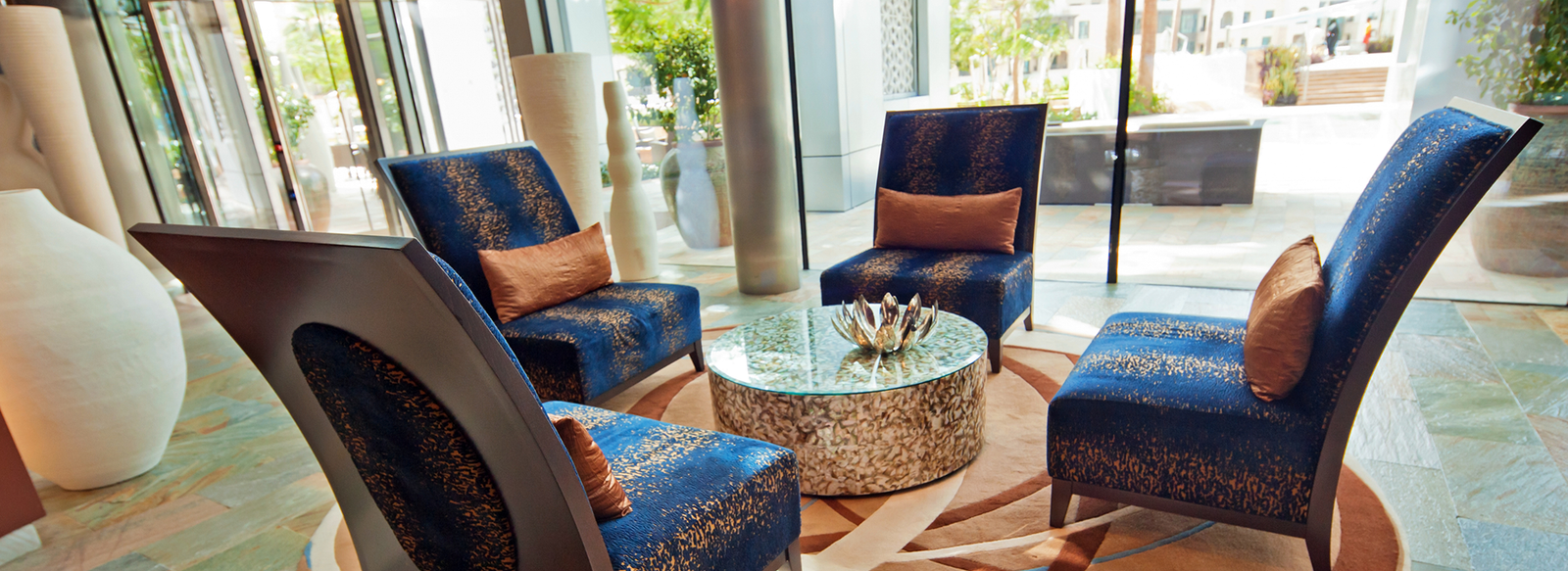
Choosing furniture for a Dubai home or business is not always as simple as picking a design from a showroom. A sofa may not fit the room as expected, a wardrobe may leave unused space, or a TV wall may look incomplete because there is nowhere to hide cables and equipment. In larger villas and commercial properties, these small issues can affect the entire interior.
This is where customized furniture in Dubai offers a practical advantage. Instead of adapting a room to standard furniture, the furniture is designed around the room, the way it will be used, and the overall interior concept.
From bespoke wardrobes and kitchen cabinets to entertainment units, sofas, bedroom furniture, reception counters, and office workstations, custom-made solutions can be developed for apartments, villas, offices, hotels, retail stores, and other commercial spaces across Dubai.
For larger projects, furniture should not be considered separately from the rest of the interior. Dimensions, finishes, lighting, electrical points, flooring, wall treatments, and technology may all need to work together. Coordinating these elements as part of Interior Design & Fit-Out Projects in Dubai can result in a cleaner, more functional, and better-finished space.
Customized furniture is furniture designed and manufactured to meet the specific requirements of a particular space or user. Rather than selecting from fixed sizes and standard configurations, the design can be adapted to the property’s dimensions, interior style, storage requirements, and intended use.
Customization can include:
For example, a standard wardrobe might leave a gap between the top of the cabinet and the ceiling. A custom wardrobe can be designed to use that space for additional storage while maintaining a clean, built-in appearance.
The same principle applies to entertainment units, kitchen cabinetry, office furniture, and other built-in elements.
This makes customization particularly useful in Dubai, where properties vary considerably in size and layout. A compact apartment may need furniture that makes every square metre count, while a large villa may require statement pieces that fit specific architectural features.
One of the strongest reasons to choose bespoke furniture is precise space utilization.
Standard furniture is manufactured around common dimensions. Your room, however, may have a different ceiling height, wall length, window position, column, doorway, niche, or architectural feature.
Custom furniture can be measured and developed around these conditions.
For Dubai apartments, this can mean using vertical space for additional storage. In villas, it may involve creating large built-in wardrobes, feature walls, media units, or custom seating that follows the proportions of the room.
The goal is not simply to make furniture fit. It is to make the furniture feel like it belongs in the space.
Your furniture should work with the interior rather than compete with it.
A custom approach gives you greater control over wood tones, laminates, veneers, fabrics, colors, handles, profiles, glass, metal details, and other finishes.
This is particularly valuable when the property already has a defined design direction. A contemporary villa, luxury apartment, minimalist office, and hospitality space may all require very different furniture solutions.
A visually attractive piece of furniture is only successful if it works well in everyday use.
Custom furniture can be designed around how you actually use the room. A wardrobe can include dedicated areas for different clothing types. A TV unit can hide equipment and cables. A home-office desk can include storage and power access. A kitchen can be configured around appliances and workflow.
These details may appear small, but they can make a significant difference to the usability of an interior.
The final quality of custom furniture depends on more than its appearance. Materials, hardware, joinery, manufacturing accuracy, finishing, transportation, and installation all contribute to the finished product.
For high-use areas, selecting materials based on durability and maintenance can be more important than choosing the most expensive finish.
Professional installation is equally important. Doors should align correctly, drawers should operate smoothly, joints should be clean, and built-in furniture should sit properly against surrounding walls and finishes.
One of the biggest visual advantages of customized furniture is consistency.
Instead of having individual pieces that look unrelated, wardrobes, TV units, storage, desks, cabinets, and other furniture can use coordinated materials and design details.
This can create a more unified appearance throughout a villa, apartment, office, or commercial property.
Living rooms and lounges often benefit from seating designed specifically for the available floor area.
Options can include:
The dimensions can be planned around room circulation, windows, doors, coffee tables, and other furniture.
Wardrobes are one of the most common applications for made-to-measure furniture.
A custom wardrobe can include:
For apartments and villas, this allows storage to be planned around the actual needs of the occupants instead of relying on a standard internal layout.
Modern entertainment walls often need to accommodate much more than a television.
Depending on the project, the furniture may need space for speakers, media equipment, gaming consoles, routers, lighting, and other devices.
A well-designed TV unit can incorporate concealed storage, cable management, display shelving, lighting, and ventilation where required.
This is also an area where furniture design and technology planning should happen together.
Kitchen cabinetry needs to balance storage, appearance, durability, and workflow.
Custom cabinets can be developed around the kitchen’s dimensions and appliance locations, with options for specialized drawers, pull-out storage, tall units, corner solutions, and other accessories.
Material and finish selection should also take into account how frequently the kitchen will be used and how easy the surfaces are to maintain.
Bedrooms can benefit from furniture that combines comfort with practical storage.
Solutions can include:
Integrated lighting can also be incorporated into headboards and other furniture where appropriate.
Office furniture needs to support the way employees work while presenting a professional image to clients and visitors.
Custom solutions can include executive desks, workstations, meeting tables, reception counters, storage cabinets, credenzas, and display units.
Power, data, networking, lighting, and audiovisual requirements should be considered before manufacturing rather than trying to modify furniture after installation.
Dubai’s interior market accommodates a wide range of design preferences. The most suitable style depends on the architecture, intended use, and client’s preferences.
Minimalist furniture focuses on clean lines, simple forms, neutral colors, and concealed storage. It works particularly well where the objective is to create an uncluttered interior.
Contemporary furniture combines modern proportions with practical materials and refined detailing. It can work across residential and commercial interiors.
Luxury furniture often uses premium finishes, sophisticated upholstery, statement forms, metal detailing, veneers, and carefully selected textures.
Light wood tones, simple shapes, functional storage, and understated finishes characterize this approach.
Industrial interiors may combine wood, metal, darker finishes, exposed textures, and stronger architectural elements.
Technology-enabled furniture is increasingly relevant to modern interiors. Storage, lighting, displays, speakers, charging points, and other technology can be incorporated into furniture without making the room look overly technical.
Material selection should be based on appearance, application, durability, maintenance, and budget.
| Material | Common Uses | Key Advantage |
| MDF | Cabinets, wardrobes, painted panels | Smooth and versatile |
| Plywood | Cabinets and furniture requiring strength | Strong and stable |
| Natural Veneer | Premium wardrobes, TV units, feature furniture | Natural wood appearance |
| Laminate | Wardrobes, cabinets, office furniture | Practical and easy to maintain |
| Solid Wood | Premium furniture and statement pieces | Natural and durable |
| Glass | Display units, doors, partitions | Creates a lighter appearance |
| Metal | Frames, accents, furniture details | Strength and modern character |
| Upholstery Fabrics | Sofas, chairs, beds, headboards | Comfort and design flexibility |
Common materials include:
For example, a decorative feature wall may justify a premium veneer, while a heavily used storage area may benefit from a durable laminate that is easier to maintain.
In Dubai’s climate, material selection and finishing should also be considered carefully, particularly for furniture exposed to varying indoor conditions, direct sunlight, or frequent use.
The right specification depends on where the furniture will be installed and how it will be used.
Furniture Materials and Their Best Uses
| Feature | Customized Furniture | Ready-Made Furniture |
| Design | Designed to requirements | Pre-designed |
| Dimensions | Made to fit the space | Standard sizes |
| Materials | Wider selection | Fixed or limited |
| Storage | Tailored configuration | Predefined |
| Style | Personalized | Available catalogue styles |
| Space utilization | Can be optimized | Depends on available sizes |
| Technology integration | Can be planned into design | Usually limited |
Ready-made furniture remains a practical option when standard dimensions and quick availability are the priority.
Customized furniture becomes more useful when you need precise dimensions, specific storage, unique finishes, integrated technology, or a consistent design across several rooms.
The company you choose can have as much impact on the final result as the furniture design itself.
Look at completed residential and commercial projects rather than relying only on sample images.
A portfolio can help you evaluate the company’s approach to proportions, detailing, material combinations, finishing, and installation.
Ask whether the company can develop furniture according to your space and requirements.
A strong customization process should include proper measurements, design development, material selection, approval, production, and installation.
Do not judge quality by appearance alone. Ask about board specifications, veneers, laminates, hardware, hinges, drawer systems, upholstery, finishes, and construction methods.
Furniture that looks excellent in a workshop can still have problems if it is not installed correctly.
Check how the company manages delivery, site protection, installation, alignment, finishing, and final inspection.
When comparing quotations, look beyond the total amount.
Check whether each quotation covers the same materials, hardware, finishes, dimensions, transportation, installation, and project management. A cheaper quotation may not represent the same scope.
If the furniture is part of a villa renovation or office fit-out, delays in manufacturing can affect other trades.
Ask for a realistic timeline covering design approval, production, delivery, installation, and completion.
The cost of custom furniture varies from one project to another, so a single fixed price can be misleading.
Factors that influence the final cost include:
A simple custom cabinet will have different requirements from a full-height luxury wardrobe, executive office, or complete furniture package for a villa.
The most reliable way to obtain an accurate price is to provide the furniture specialist with the relevant measurements, drawings, design preferences, materials, finishes, and project requirements.
A detailed quotation should clearly explain what is included so you can compare proposals fairly.
Before production begins, consider the following:
These decisions are easier to manage when furniture is considered as part of the overall interior rather than as a separate purchase.
Space is often the biggest consideration in an apartment. Full-height wardrobes, wall-mounted storage, multifunctional furniture, compact workstations, and built-in TV units can make better use of limited floor area.
Dubai villas often provide greater scope for bespoke interiors. Custom furniture can be designed around large living areas, bedrooms, dressing rooms, home offices, entertainment spaces, and other architectural features.
Office furniture should reflect the company’s brand while supporting productivity and employee comfort. Custom workstations, executive furniture, meeting tables, reception counters, and storage can be designed around the workplace layout.
Hospitality furniture needs to combine appearance with durability and practical maintenance. Beds, headboards, bedside tables, reception furniture, seating, tables, and storage can all be developed according to the property’s design concept.
Retail environments often require furniture that serves a specific business purpose. Display units, counters, shelving, branded fixtures, seating, and storage can be designed around customer movement, product presentation, and available floor space.
The value of customized furniture goes beyond appearance. When planned properly, it can solve practical problems while supporting the overall design.
For Dubai properties, key benefits include:
There is also an important connection between furniture and technology in modern properties.
A media wall, for example, may need to accommodate a television, speakers, concealed cables, power points, lighting, networking equipment, and smart controls. If these requirements are considered after the furniture has already been manufactured, modifications can be difficult and costly.
This is why System Integration in Dubai can be an important part of a technology-enabled interior. Smart-home controls, audiovisual systems, networking, lighting, security, and other technologies can be planned alongside the physical environment.
Similarly, working with an experienced Interior Design Company in Dubai can help ensure that furniture is coordinated with the overall design concept rather than treated as an isolated element.
A successful interior project often involves many connected decisions. Furniture dimensions can affect electrical points, lighting, wall finishes, flooring, technology, and installation sequencing. Coordinating these requirements from the beginning can reduce conflicts during the project.
Secureverse provides interior design, fit-out, customized furniture, and technology integration solutions for residential and commercial spaces in Dubai.
Our approach begins with understanding the client’s requirements, the property, the intended use of the space, and the desired design direction. From there, furniture and interior elements can be developed with practical considerations such as dimensions, materials, storage, lighting, electrical requirements, and technology in mind.
For larger Interior Design & Fit-Out Projects in Dubai, this coordinated approach can be particularly valuable. Instead of treating furniture, interior finishes, and technology as separate components, the requirements can be considered together during the planning and execution stages.
Where smart-home or audiovisual requirements are involved, furniture can also be planned to accommodate displays, speakers, equipment, concealed wiring, lighting, and controls.
The objective is simple: create spaces that look refined, function properly, and continue to meet the client’s needs after the project is complete.
The right furniture can have a significant impact on how a Dubai property looks, feels, and functions. While ready-made furniture can work for straightforward requirements, customized solutions offer greater flexibility when a project requires precise dimensions, personalized design, additional storage, premium finishes, or technology integration.
From a compact apartment to a luxury villa, corporate office, hotel, or retail environment, bespoke furniture can be designed around the actual space instead of forcing the space to accommodate standard products.
The most important step is choosing a team that understands more than furniture alone. Design, materials, manufacturing, installation, interior finishes, electrical requirements, and technology may all need to work together.
We at Secureverse bring together interior design, fit-out, customized furniture, and technology integration to help create functional, stylish, and thoughtfully planned spaces for clients in Dubai.
Contact Secureverse to discuss your furniture, interior design, fit-out, or technology requirements and explore a customized solution for your Dubai property.
Customized furniture is furniture designed and manufactured according to the specific dimensions, style, materials, storage requirements, and functional needs of a property or client. It can be created for apartments, villas, offices, hotels, retail spaces, and other commercial environments.
Customized furniture may cost more than ready-made furniture because it involves personalized design, manufacturing, materials, and installation. However, the final cost depends on the furniture type, dimensions, materials, finishes, hardware, quantity, and project requirements.
The production and installation timeline varies depending on the design complexity, materials, quantity, approvals, manufacturing requirements, and site conditions. Larger furniture packages generally require more planning and production time than individual pieces.
Yes. Customized furniture can be particularly useful for small apartments because it can be designed according to exact dimensions. Built-in wardrobes, vertical storage, multifunctional furniture, compact workstations, and wall-mounted units can help maximize available space.
Yes. Furniture can be designed to accommodate smart-home and audiovisual technology, including displays, speakers, lighting, controls, power points, equipment, and concealed cable routes. Planning these requirements during the design stage can create a cleaner and more functional result.