- Oasis center Princess cars building - 1st Floor - Unit 13-14 Sheikh Zayed Rd - Al Quoz - Al Quoz 1 - Dubai
- info@secureverse.ae
Secureverse Leading Interior Design and Fit-Out Company In UAE

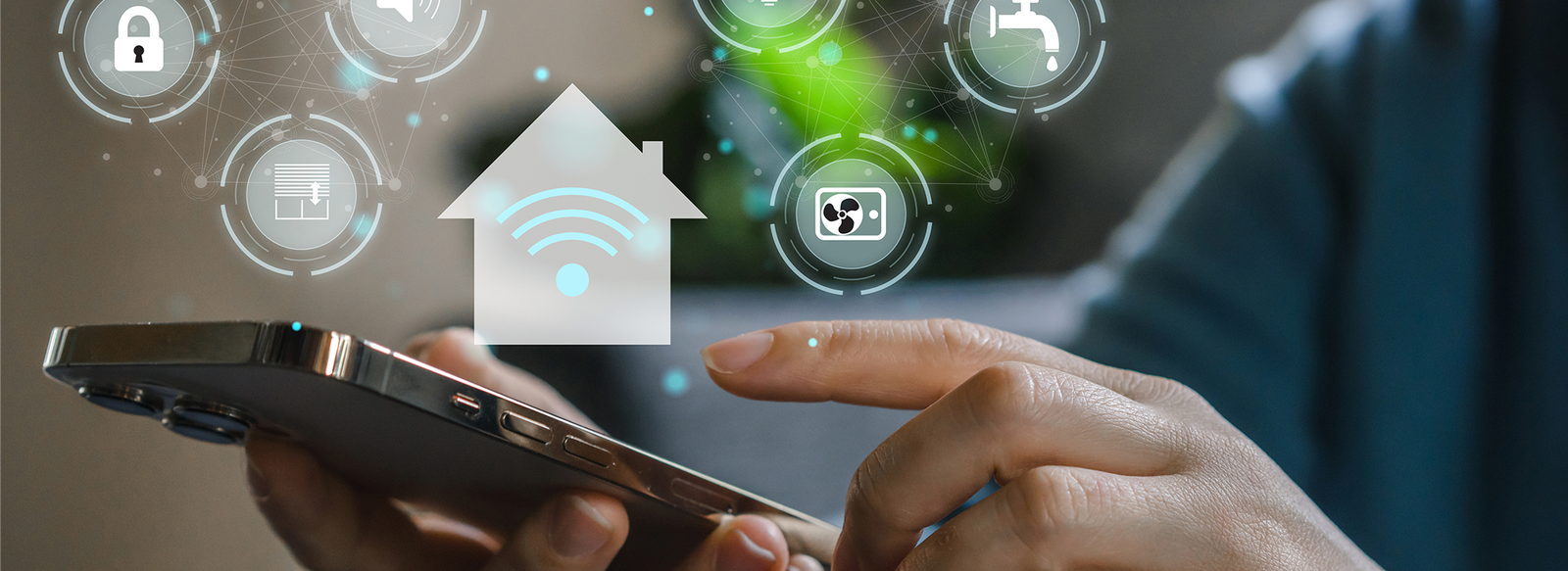
Dubai businesses are investing heavily in smarter workplaces, connected technology, secure infrastructure, and more efficient ways of managing day-to-day operations. As offices and commercial spaces become more technology-driven, having separate systems for networking, security, communication, access control, and building management can make operations harder to manage. This is where System Integration in Dubai becomes important.
System integration connects compatible technologies so they can communicate, share relevant information, and work together as part of a coordinated environment. For a modern office, this could mean bringing together CCTV, access control, networking, meeting room technology, Wi-Fi, IT infrastructure, and building systems rather than managing each one in isolation.
The value goes beyond connecting devices. Good integration starts with understanding how a business operates, what its existing infrastructure can support, and what it may need in the future.
For companies planning a new workplace or Interior Design & Fit-Out Project in Dubai, technology integration should also be considered during the planning stage. When technology, interiors, infrastructure, and security are coordinated from the beginning, businesses can avoid unnecessary rework and create a workplace that is both functional and future-ready.
System integration is the process of connecting different hardware, software, networks, applications, and technology platforms so they can communicate and work together.
Consider a typical corporate office. It may have:
If these systems operate independently, employees and facility teams may need to use different platforms and processes to manage them. An integrated environment brings selected systems together based on the organization’s requirements.
The objective is not to connect everything simply for the sake of integration. It is to create useful connections that improve how people manage and use the workplace.
A system integration project can involve several technical approaches.
Data sharing: Compatible systems exchange relevant information, reducing the need for repetitive manual entry.
Centralized monitoring: Selected systems can be monitored through a common dashboard or management interface.
API and software integration: Applications can communicate through APIs and other supported integration methods.
Hardware and network connectivity: Devices and infrastructure communicate over appropriately designed wired or wireless networks.
Automation: Connected systems can perform predefined actions based on specific events or conditions.
The architecture depends on the existing infrastructure, business requirements, security considerations, compatibility, and future plans.
Dubai’s offices and commercial environments are becoming increasingly dependent on digital infrastructure. From corporate workplaces and hospitality properties to retail spaces and commercial buildings, technology is now closely connected to everyday operations.
As organizations add more systems, managing them separately can create unnecessary complexity.
For example, an office might have one platform for access control, another for CCTV, a separate network management system, and different tools for meeting rooms. Without a clear integration strategy, employees may have to move between multiple systems to complete routine tasks.
A well-planned approach allows businesses to connect the systems that genuinely need to communicate while keeping the overall infrastructure manageable.
Disconnected systems can result in:
Integration addresses these challenges by creating a more coordinated technology environment.
However, integration should always be driven by business requirements. Not every system needs to be connected, and adding unnecessary complexity can create its own problems.
When compatible systems communicate automatically, employees can spend less time moving information between platforms or performing repetitive tasks.
For example, integrating workplace technology with access or scheduling systems may simplify certain administrative processes. The result is a smoother experience for employees and the teams responsible for managing the facility.
Managing multiple standalone systems can require teams to work across different interfaces. An integrated environment can bring selected technologies into a more centralized management structure.
For IT teams, facility managers, and security personnel, this can make it easier to monitor relevant information and respond to issues.
The exact level of centralization depends on the systems involved and the architecture chosen for the project.
Integrated systems can exchange relevant information more efficiently. This gives responsible teams a clearer view of what is happening across the workplace.
Instead of depending entirely on manually collected information, managers can use data from connected platforms to identify usage patterns, operational issues, and areas requiring attention.
Security becomes particularly important when businesses operate valuable equipment, sensitive information, and large workplaces.
CCTV, access control, visitor management, and intrusion detection can be integrated where technically appropriate. For example, security teams may be able to associate access events with relevant surveillance information, making it easier to investigate incidents.
Integration does not replace proper security policies or cybersecurity controls. It should form part of a broader security strategy.
Integration can help organizations make better use of their technology and infrastructure.
By reducing repetitive processes and providing better visibility, businesses can identify where resources are being underused, duplicated, or unnecessarily maintained.
Over time, this can contribute to more efficient operational planning.
Access to relevant, centralized information can help managers make decisions with greater visibility.
For example, information from network monitoring, security systems, meeting room technology, or building controls can help teams understand how a workplace is being used and where improvements may be needed.
The quality of these insights depends on the systems being integrated and the information they can provide.
Technology requirements change as businesses grow. New employees, locations, applications, security requirements, and workplace technologies may need to be added.
A scalable integration strategy makes future expansion easier because the infrastructure is designed with growth in mind.
This is especially useful for businesses moving into new offices or planning major workplace upgrades.
System integration can cover different technologies depending on the type of business and its operational requirements.
IT infrastructure is often the foundation of a connected workplace. Integration may involve:
A properly planned infrastructure allows business applications and connected devices to communicate reliably while providing a foundation for future technology.
Security systems can include:
Connecting selected security systems can provide security personnel with a more coordinated view of events.
For a commercial office, for example, integrating access control and surveillance can help teams understand both who accessed an area and what was happening around that location.
Access control can be connected with other workplace systems, including:
This can simplify administration while supporting the organization’s security procedures.
Reliable connectivity is essential for practically every modern workplace.
Network-related integration may involve:
The network also supports many other technologies, including CCTV, access control, meeting room equipment, cloud applications, and workplace devices.
Meeting rooms are no longer limited to a table, chairs, and a display.
Modern workplaces may integrate:
For companies working on Interior Design & Fit-Out Projects in Dubai, these requirements should be considered before construction and finishing work is completed.
Planning technology early can help determine suitable locations for displays, access points, equipment, cabling, power outlets, control systems, and meeting room infrastructure.
Commercial buildings may use technologies for:
Where systems are compatible, integration can provide building operators with improved visibility and control.
For larger commercial environments, this can become an important part of creating a more efficient and manageable workplace.
A successful project requires more than simply connecting devices. The integration process should begin with the business requirement and move through planning, implementation, testing, and support.
The first stage is to understand what is already in place.
This includes reviewing:
This assessment helps determine which systems can be integrated and whether any infrastructure needs to be upgraded first.
The technology should support a clear business objective.
The project team should establish:
Starting with these questions prevents businesses from investing in technology that does not provide practical value.
Once requirements are established, the integration architecture can be planned.
This may include:
The design should also take existing infrastructure into account.
The relevant hardware and software are then connected and configured.
This is where technical expertise becomes particularly important. Network settings, device compatibility, authentication, data communication, security controls, and system dependencies all need to be addressed.
Testing should take place before full deployment.
Teams should verify:
Any problems identified during testing should be resolved before the system is handed over.
Once testing is complete, the solution can be deployed.
Employees, IT teams, facility managers, or security personnel should receive appropriate training based on their responsibilities.
Good training is important because even a technically capable system can become difficult to manage if users do not understand how it works.
Technology does not remain unchanged after installation.
Systems may require:
Ongoing maintenance helps businesses keep the infrastructure reliable as their requirements change.
Choosing the right partner is one of the most important decisions in an integration project. Businesses should look beyond the initial quotation and assess the provider’s technical capabilities and approach.
Look for experience in relevant areas such as:
The provider should be able to understand how these technologies interact rather than treating every system as a separate installation.
Experience with similar projects can be valuable.
Depending on your business, look for relevant experience in corporate offices, commercial buildings, retail, hospitality, healthcare, or other sectors.
A provider familiar with your environment is more likely to understand practical requirements and common project constraints.
Ask how the company approaches compatibility, APIs, network architecture, security, and existing infrastructure.
A good provider should be able to explain the integration approach in business terms rather than simply presenting a list of products.
The solution should support future changes.
Ask whether new devices, users, locations, applications, or technologies can be added without requiring a complete redesign.
Find out what support is available after implementation.
Discuss:
Long-term support can be just as important as the initial installation.
For businesses developing or renovating offices, technology should not be planned separately from the physical workplace.
Working with an Interior Design Company in Dubai that understands the relationship between design, infrastructure, technology, and user experience can make coordination easier.
Cabling routes, equipment locations, meeting rooms, access points, security devices, lighting, and other requirements should be considered before the fit-out reaches its final stages.
| Feature | Integrated Systems | Standalone Systems |
| Data sharing | Connected between selected systems | Usually limited |
| Monitoring | Can be centralized | Managed separately |
| Automation | Greater potential | More limited |
| Scalability | Easier to expand when well designed | Can become complex |
| Management | More unified | Multiple interfaces |
| Visibility | Broader operational view | Restricted to individual systems |
Neither approach is automatically right for every business. The goal should be to integrate systems where doing so creates a clear operational benefit.
There is no universal price for system integration in Dubai. Two businesses may have completely different requirements even if they operate in similar industries.
Project costs can be influenced by:
For this reason, businesses should request a project-specific assessment rather than choosing a provider solely because it offers the lowest quotation.
If integration is part of an office development or renovation, technology planning should also be coordinated with the fit-out schedule. An experienced Interior Fit Out Company in Dubai can coordinate technology requirements with the wider workplace development, helping reduce the risk of installing infrastructure after finishes are completed.
Starting with products rather than business objectives can lead to unnecessary complexity. First identify the operational problem, then determine which technology can solve it.
Older cabling, network limitations, outdated hardware, or incompatible software can affect the integration process. Assess the existing environment before deciding what needs to be added.
The cheapest installation may not provide the best long-term value. Consider reliability, scalability, maintenance, upgrades, support, and total ownership costs.
A solution designed only for today’s requirements can become restrictive as the business grows. Future users, devices, locations, and technologies should be considered during planning.
Connected systems must be protected. Network security, user authentication, access permissions, software updates, and appropriate monitoring should form part of the integration strategy.
Installation is only one stage of the project. Make sure the provider can offer appropriate support when systems require troubleshooting, updates, maintenance, or expansion.
For a modern business, technology should make operations simpler rather than create another layer of complexity.
A well-planned integration strategy can connect the systems that matter most, improve visibility, support security, reduce repetitive work, and create a stronger foundation for future technology adoption.
The benefits can be especially valuable when system integration is considered during the early stages of workplace development.
For example, a business planning an office in Dubai may need to coordinate network infrastructure, CCTV, access control, meeting room technology, Wi-Fi, power requirements, and workplace design. Addressing these requirements together can reduce coordination issues later in the project.
This is why technology integration deserves attention within modern Interior Design & Fit-Out Projects in Dubai. A successful workplace is not simply about attractive interiors. It needs to support how employees work, communicate, collaborate, access technology, and move through the space.
The best approach is to connect technology planning with the wider business objective.
System integration helps Dubai businesses connect their IT, security, networking, meeting room, and building systems into a more efficient and manageable environment. The right approach starts with understanding business requirements, assessing existing infrastructure, choosing compatible technologies, and planning for future growth.
For businesses planning a new office or Interior Design & Fit-Out Project in Dubai, coordinating technology with the interior and infrastructure from the beginning can create a more functional workplace.
At Secureverse, we combine design, infrastructure, technology, and functionality to support modern workplace requirements. As an Interior Fit Out Company in Dubai, we can help businesses plan spaces that are practical, connected, and built around their operational needs.
Contact Secureverse to discuss your interior fit-out and system integration requirements.
The main benefits of system integration include improved operational efficiency, centralized monitoring, better data sharing, enhanced security, reduced repetitive work, easier management, and greater scalability.
System integration typically involves assessing existing systems, defining business requirements, designing the integration architecture, connecting and configuring systems, testing performance, deploying the solution, training users, and providing ongoing maintenance.
Common systems include IT infrastructure, networks, Wi-Fi, CCTV, access control, visitor management, audio-visual systems, meeting room technology, cloud applications, and building management systems.
System integration costs depend on project size, existing infrastructure, number of systems, hardware and software requirements, customization, security needs, complexity, testing, deployment, and ongoing support.
Choose a system integration company based on technical expertise, relevant project experience, integration capabilities, scalability, cybersecurity knowledge, implementation approach, and post-installation support.